
Industrial Leasing in Reno-Sparks: A Manufacturer's Site Selection Checklist
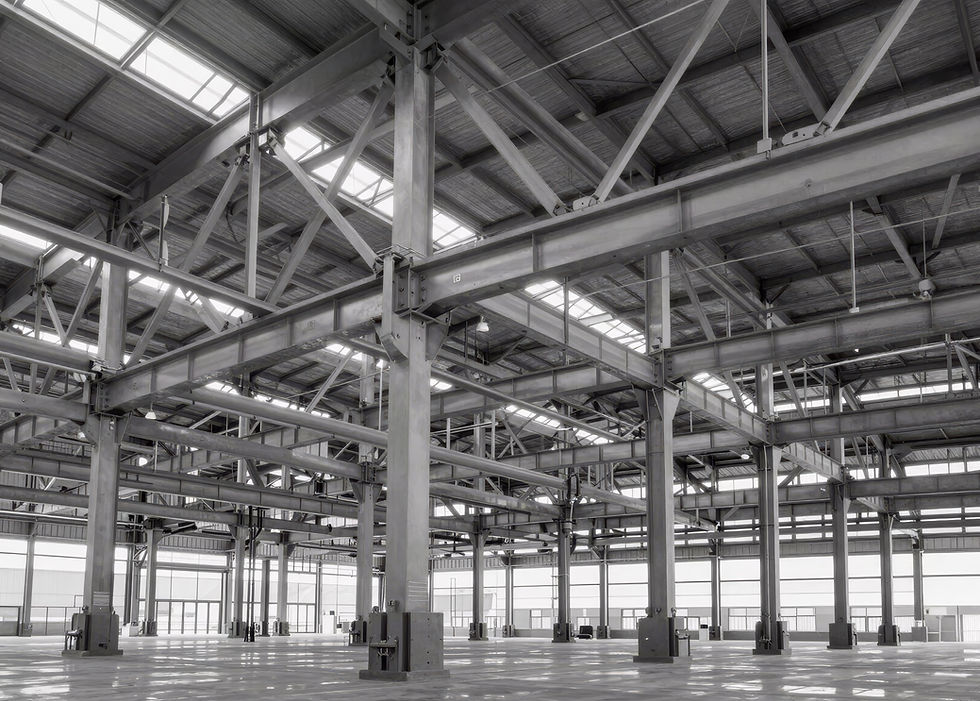
Choosing an industrial facility in Reno-Sparks starts with confirming that the property can support your operations, not simply finding the right square footage. Before committing to a long-term lease, evaluate permitted uses, electrical capacity, loading access, improvement requirements, total occupancy costs, and your ability to expand. Compare those requirements across each property using the same written checklist.
For a manufacturer, a suitable building must support both the production process and the business plan. A lower asking rent is not necessarily a better choice if the facility requires substantial electrical upgrades, creates shipping constraints, or cannot accommodate future equipment.
What should manufacturers define before touring properties?
Prepare a facility requirements brief before beginning your search. Separate requirements that are essential on the first day of operations from preferences that can be negotiated or addressed later.
Include:
Production, storage, office, and employee support areas.
Equipment dimensions, floor-loading needs, and installation requirements.
Required electrical service, gas, water, ventilation, and wastewater capacity.
Truck frequency, trailer sizes, loading needs, and outdoor storage requirements.
Employee parking, shift schedules, and customer or supplier access.
Target occupancy date and the latest acceptable move-in date.
Expected changes in staffing, machinery, or production volume.
Give this brief to your brokerage advisor and technical team. It provides a consistent basis for screening properties and reduces time spent touring facilities that cannot meet essential requirements.
Which building features deserve closer inspection?
Electrical service and building systems
Ask for documentation of the existing electrical service and have a qualified professional assess it against your equipment requirements. Do not assume that a listing's reference to heavy power confirms sufficient usable capacity for your operation.
Ask who would pay for upgrades, what approvals may be required, and whether the work can be completed before occupancy. Apply the same review to ventilation, fire protection, gas service, and other process-critical systems.
Loading, circulation, and storage
Evaluate dock-high and grade-level loading against your actual shipping process. Review truck turning movements, staging areas, shared driveways, and any restrictions on trailer parking or outdoor storage.
For a Reno-Sparks search, compare access to I-80 with the actual routes your carriers use. Test the property's practical access rather than relying only on its distance from a highway interchange.
Layout and future growth
Confirm usable clear height, column spacing, production flow, and the relationship between office and manufacturing areas. Consider whether equipment can be installed and serviced without disrupting adjacent operations.
If expansion matters, ask whether additional space is available and whether any expansion right would be documented in the lease. Nearby vacant space is not a contractual right to occupy it later.
How should you check permitted uses?
Treat permitted use as an early screening question. Describe the actual manufacturing process, operating hours, materials, outdoor activities, and anticipated equipment to the appropriate local planning and building authorities.
A property marketed as industrial should not be treated as confirmation that every manufacturing activity is permitted. For a property within Sparks, the city provides official planning and zoning and building permit resources. Confirm the governing jurisdiction for each property before seeking guidance.
How do you compare the true cost of an industrial lease?
Build a total occupancy budget instead of comparing base rent alone. Ask for written clarification of:
Base rent and scheduled increases.
Operating expenses and how they are allocated or reconciled.
Utility charges, deposits, and service upgrades.
Insurance and maintenance responsibilities.
Improvement design, permitting, and construction costs.
Equipment relocation, installation, and testing.
Potential overlap between your current and new facilities.
End-of-lease removal or restoration obligations.
Use the same assumptions and time period for each property. Clearly separate landlord contributions from costs your business will fund.
Which lease provisions should be discussed before signing?
Review the proposed lease with your brokerage advisor and a qualified commercial real estate attorney. Discuss the permitted-use language, delivery condition, commencement dates, improvement responsibilities, renewal options, and any expansion or assignment provisions relevant to your business.
Document Tenant Improvement Expectations, including the scope of work, approval process, funding responsibilities, and completion requirements. Ask how delays would affect possession, rent commencement, and your relocation schedule.
These are negotiation topics, not benefits that every landlord will offer. The final agreement should reflect the particular property, transaction, and operational risks.
How can a local brokerage advisor help?
A brokerage advisor can translate your requirements into a focused property search, organize comparisons, coordinate information requests, and support lease negotiations. Technical suitability and legal obligations still require the appropriate specialist review.
Commercial Real Estate Reno | Sparks works with manufacturers and other business occupiers on Northern Nevada property searches, Site Selection, and Lease Negotiation. The objective is to connect the facility decision to your relocation or expansion plan, rather than evaluate the building in isolation.
Frequently asked questions
Should I renew my industrial lease or relocate?
Compare the cost and operational suitability of staying with the full cost of moving. Include required upgrades, production interruption, future growth, and the terms available at each location. Neither option is automatically preferable.
When should I begin an industrial property search?
Start with your existing lease's notice deadlines, then work backward from the required operating date. Allow time for property evaluation, negotiations, approvals, construction, equipment installation, and testing. A realistic schedule depends on the complexity of your operation.
Can a warehouse be used for manufacturing?
Do not assume so. Confirm that your specific activities are permitted and that the building's systems, layout, and approvals support the proposed use before making a commitment.
Is the lowest rental rate the lowest-cost option?
Not necessarily. Improvements, utilities, maintenance obligations, and relocation expenses can change the comparison. Evaluate total occupancy costs alongside operational fit.
Plan your next facility around your business goals
Before touring industrial space in Reno-Sparks, prepare a written requirements brief and a consistent cost comparison. Bring your occupancy schedule, equipment needs, and growth plans into the conversation early.
To discuss a manufacturing relocation, expansion, or industrial property search, connect with Commercial Real Estate Reno | Sparks. We work with you to evaluate property options in the context of your business goals.
This article provides general planning information, not legal, engineering, tax, or property-specific advice. Confirm requirements and lease terms with qualified professionals and the appropriate authorities.
Comments